Bitter is a signal. Not a verdict.
Your tongue can shape expectation, but it cannot measure therapeutic effect. Revisit one childhood medicine memory and separate the sensation from the chemistry.
What did “medicine” taste like to you?
Build a private sensory snapshot. It stays in this browser until you reset it.
The feeling is real. The shortcut is learned.
This explains perception, not whether a particular medicine is effective. Ask a pharmacist or clinician about treatment questions.
Taste receptors detect molecules at the tongue. Your brain combines that signal with smell, texture, context, and old memories. A harsh cue can feel potent because experience taught you that medicine is supposed to announce itself.
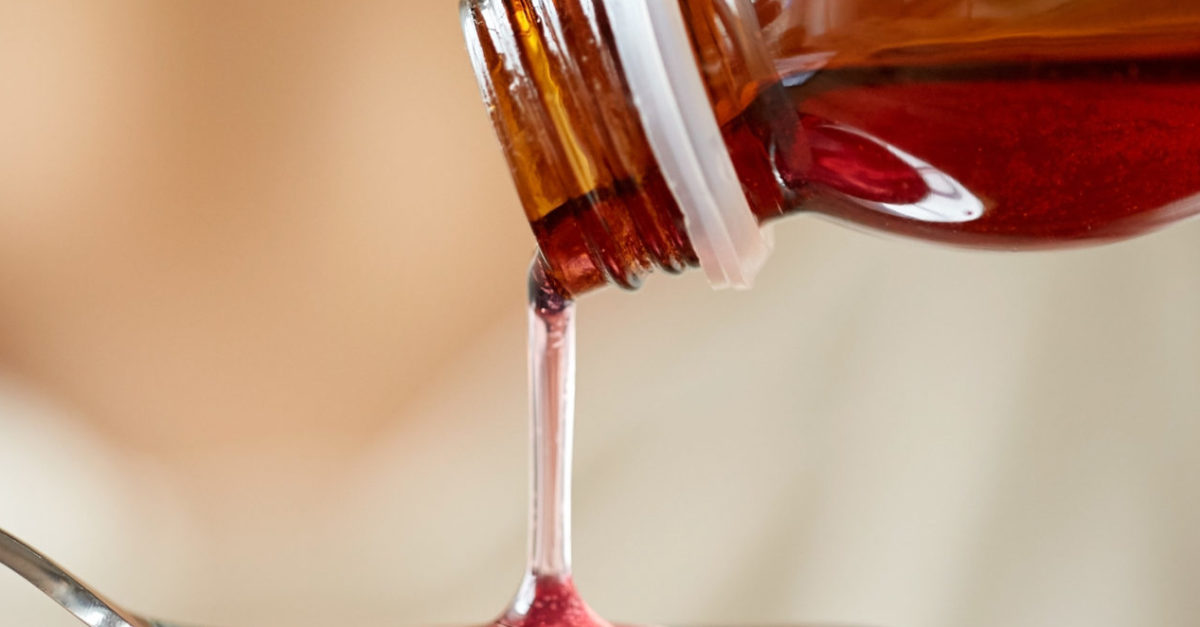
Three systems, one vivid memory.
Open each layer to see where taste ends and interpretation begins.
Your worst taste can become a clearer story.
Generate the explanation above, then keep the brief. The result records your memory while keeping one important boundary intact: sensation is not proof of efficacy.
Return to your memory